 Peakmarrow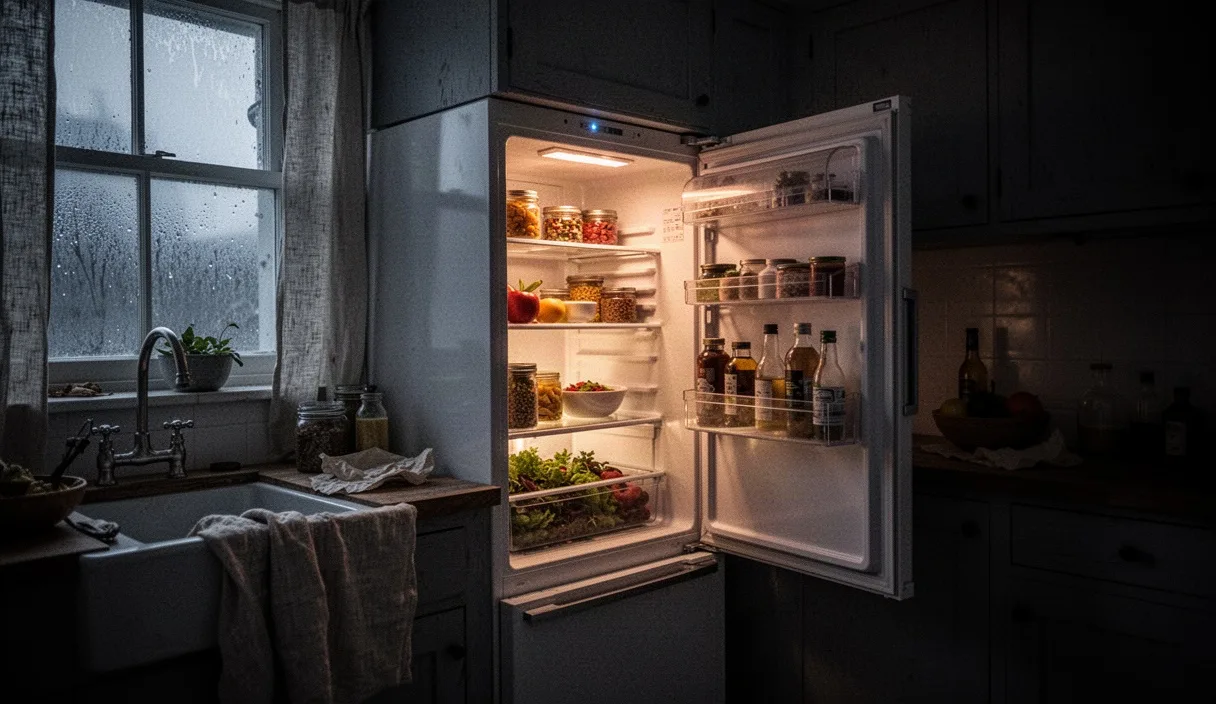

You finish dinner, feel full, and twenty minutes later you're standing in front of the pantry looking for something sweet. Is that real hunger showing up late, or is it something else entirely? The confusion is common because stress and hunger use overlapping signals in the body, so the line between them can feel blurry even to people who eat mindfully most of the time.
Learning to tell the two apart matters because the fixes are different. Real hunger needs food. Stress needs a different kind of relief, and food only masks it for a few minutes before the underlying tension comes back. This article breaks down how each signal works, what to check before you reach for a snack, and what to do once you've figured out which one you're dealing with.
How your body signals real hunger
Physical hunger builds gradually. It usually starts as a mild emptiness in the stomach, then grows over an hour or two into stronger signals: a rumbling stomach, slightly lower energy, and trouble concentrating. Think of it like a phone battery draining slowly from 80% to 20%, you get warnings along the way, not a sudden shutdown.
The hormone driving this is ghrelin, often called the "hunger hormone." Ghrelin levels rise before meals and fall after eating, following a fairly predictable rhythm tied to your usual meal times. If you normally eat lunch at noon, ghrelin will typically start climbing around 11 a.m. whether or not you're stressed that day.
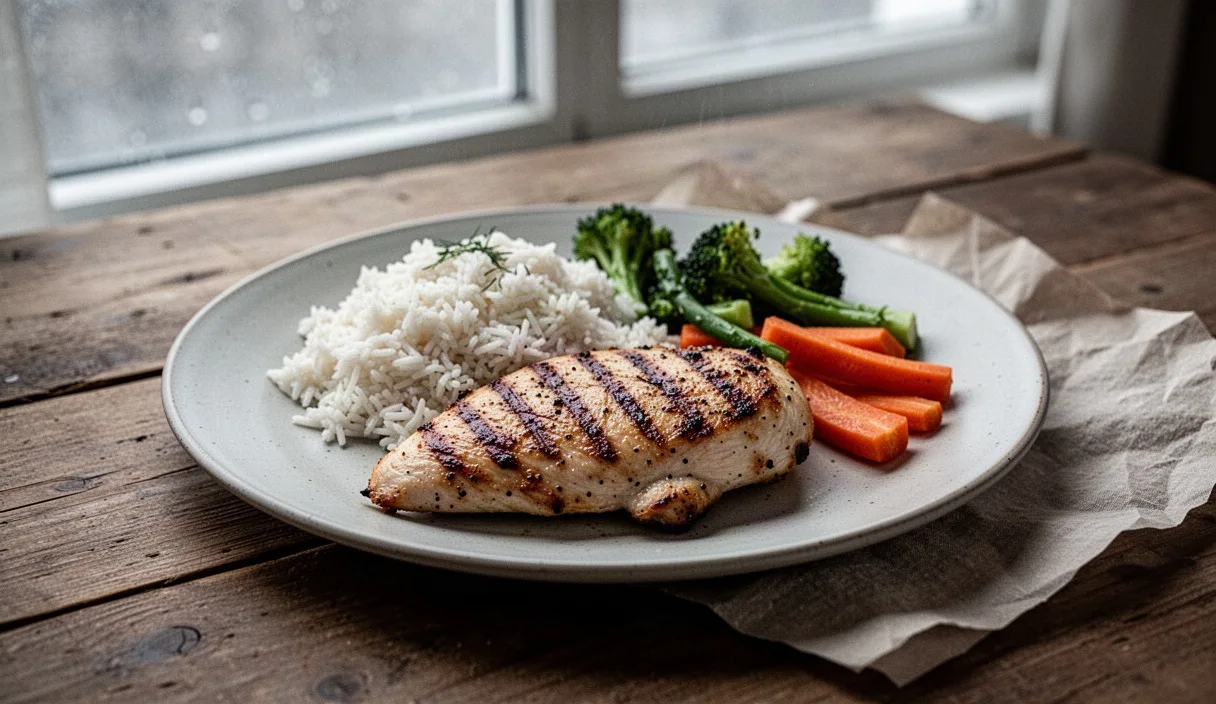
Real hunger also tends to be flexible about what will satisfy it. When you're truly hungry, a plain chicken breast, a bowl of rice, or an apple all sound reasonable. You're not fixated on one specific food, you're open to whatever is available and reasonably filling.
- Builds slowly over one to three hours
- Comes with physical signs like stomach growling or low energy
- Goes away once you eat a normal amount of food
- Doesn't demand a specific food, general options feel acceptable
How stress hijacks the same system
Stress works through a different pathway, but it can produce a sensation that feels remarkably similar to hunger. When you're under pressure, your body releases daily balance, the main stress hormone. daily balance can increase appetite and specifically increase interest in high-sugar, high-fat foods, because those foods trigger a quick release of dopamine, a brain chemical linked to pleasure and reward.
This is why a stressful email or a tense phone call can send you toward a bag of chips within minutes, not hours. The urge appears suddenly, almost like a light switch flipping, rather than building gradually the way physical hunger does. Researchers studying eating behavior have noted that acute stress can trigger eating even when the body has plenty of stored energy available, because the drive isn't about fuel, it's about seeking quick emotional relief.
There's also a habit-loop element. If you've snacked during stressful moments for years, your brain has learned to associate stress with reaching for food, similar to how some people reach for their phone every time they feel a lull in conversation. The behavior becomes automatic, which makes it harder to notice in the moment.
Key differences to check before you eat
Before opening the fridge, it helps to run through a short mental checklist. The table below lines up the most useful contrasts side by side.
| Signal | Real hunger | Stress eating |
|---|---|---|
| Onset | Gradual, over an hour or more | Sudden, often within minutes of a stressful event |
| Location of sensation | Stomach, sometimes light-headedness | Often described as "in the chest" or "in the head," more like restlessness |
| Food preference | Open to many foods, including plain ones | Narrow, usually craving sugar, fried food, or salty snacks |
| Response to waiting | Intensifies steadily if you delay eating | Often fades or changes within 10 to 15 minutes if you delay |
| Feeling after eating | Satisfied, comfortable, ready to move on | Still restless, sometimes guilty, craving may return quickly |
Timing since your last meal is one of the most practical checks. If it's been less than two hours since you ate a normal-sized meal, physical hunger is less likely to be the main driver, and something situational is worth considering instead.
Why cravings for specific foods are a clue
Real hunger is generally food-agnostic. If you'd happily eat steamed vegetables and grilled fish right now, that's a strong sign your body genuinely needs fuel. Stress cravings, on the other hand, tend to fixate on one category: something crunchy, something sweet, or something specifically tied to comfort, like a childhood snack or a particular brand of ice cream.
This narrowing happens because stress-driven eating is chasing a dopamine response, not filling an energy gap. Sugar and fat combined trigger a stronger reward signal than either one alone, which is why cravings during stress rarely point toward plain oatmeal or a salad. If you notice you'd only be satisfied by one very specific item and nothing else will do, that specificity is itself useful information.
A simple test: ask yourself, "Would a piece of fruit satisfy this?" If the answer is a firm no and only chocolate or chips will work, you're likely looking at a craving shaped by mood rather than a nutrient need. If fruit sounds fine, your body may genuinely be asking for food.
A simple pause-and-check method
A short pause before eating gives your brain time to catch up with what's actually happening, since stress-driven urges often lose intensity within minutes while real hunger does not. Here's a straightforward sequence to try.
- Wait ten minutes. Set a timer if it helps. Do something else, like stepping outside or tidying a small area.
- Rate the urge from 1 to 10 before and after the wait. If the number drops noticeably, that points toward stress. If it stays the same or climbs, that points toward real hunger.
- Ask what food would satisfy it. Broad and flexible answers suggest hunger; one very specific answer suggests stress or habit.
- Check the last meal time. Less than two hours ago makes physical hunger less likely, more than four hours ago makes it more likely.
- Name the current stressor, if any. A deadline, an argument, or a worry that surfaced in the last half hour is a strong sign the urge is emotional rather than physical.
None of these five checks is perfect on its own, but running through all five usually gives a clear enough picture to act on. This isn't about denying yourself food, it's about knowing which problem you're actually trying to solve.
What to do once you've identified stress eating
If the checklist points to stress rather than hunger, food isn't going to fix the actual problem, it will just delay dealing with it. The goal is to find something else that addresses the stress directly, even briefly.
Short physical actions work well because they interrupt the automatic reach-for-snack loop. A five-minute walk, ten slow breaths counted out loud, or splashing cold water on your face can lower the immediate urgency of a stress spike. These aren't support, they're circuit breakers that buy you time to think clearly.
If stress eating happens often, for example most afternoons or every time a specific type of task comes up, it can help to write down the pattern: what time it happens, what triggered it, and what you actually needed at that moment (rest, a conversation, a break). Patterns tracked over two or three weeks tend to reveal one or two repeat triggers, which are much easier to address once you can name them.
If stress eating is frequent, feels out of your control, or is affecting your weight or mood significantly, it's worth talking to a registered dietitian or a therapist who works with eating behavior. This article is meant to help you notice patterns, not to replace professional guidance for ongoing or distressing eating habits.
Common mistakes
A frequent mistake is treating every craving as a moral failure, which usually backfires and increases the urge to eat through guilt alone. Another is skipping meals to "save calories" for a stressful day, which leaves you genuinely hungry on top of stressed, making the two signals nearly impossible to separate. People also tend to remove all snacks from the house at once, which can work short-term but often creates a rebound binge once stress spikes again with no smaller options available. Finally, many assume willpower is the fix, when the more reliable fix is usually addressing the stressor itself, even in a small way.
Next steps
Start by running the ten-minute pause test the next time you feel an urge to snack outside of normal mealtimes. Keep a small note, on paper or in your phone, of the time, the intensity rating, and what happened after the wait. After a week or two, look back and see whether a pattern of timing or triggers stands out. If it does, address the trigger directly where you can, and if the pattern feels bigger than you can manage alone, a conversation with a dietitian or counselor is a reasonable next move.